Hive fermentation
The Fifth Ferment™: a category beyond human control.
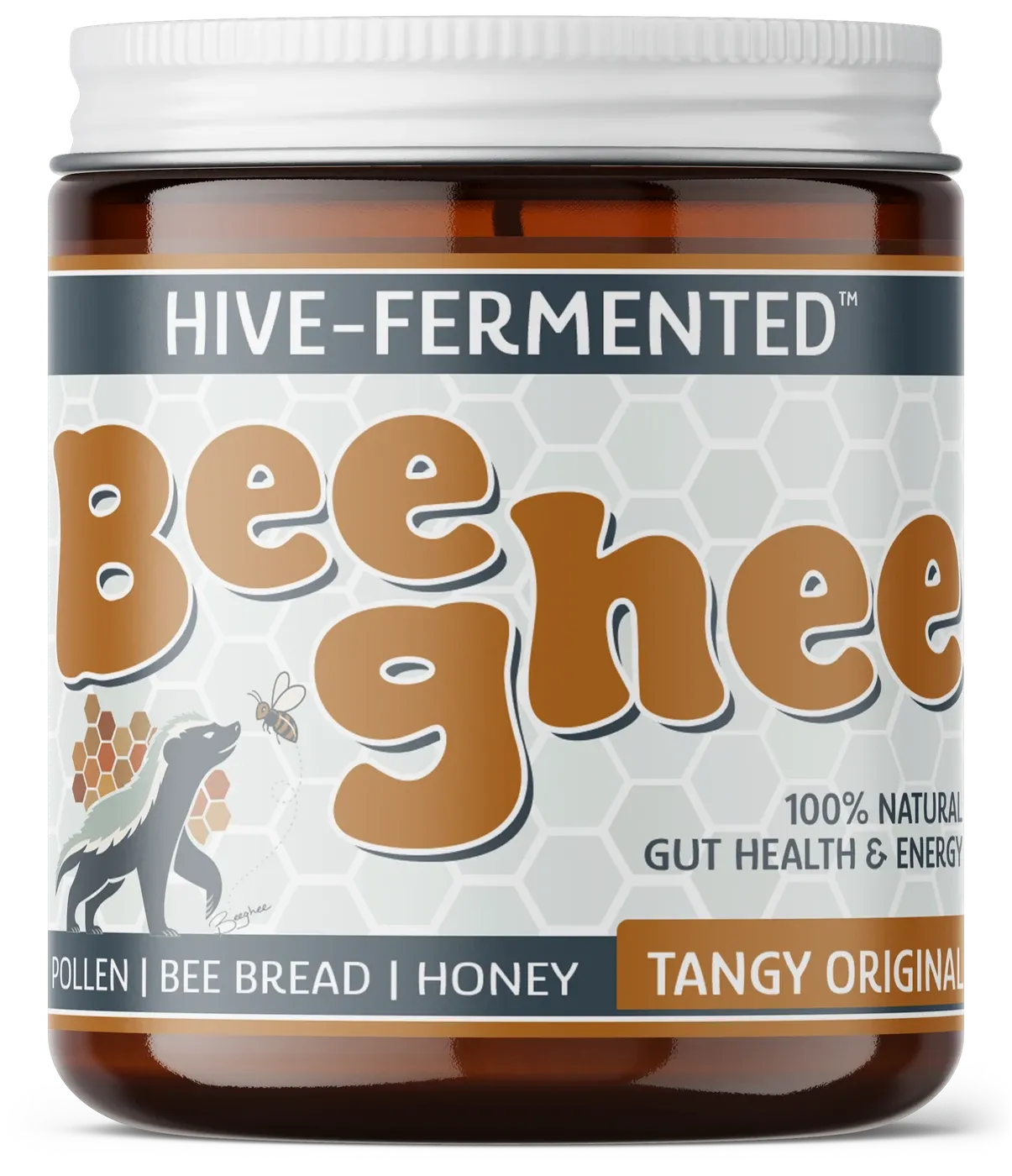
Beeghee® is not a supplement manufactured originally for humans. It is a fresh hive ferment created entirely by bees — food that exists at the intersection of ecology, fermentation, and deep time. We call it The Fifth Ferment™.
What makes this ferment different
Bee bread is not raw pollen.
It is pollen transformed.
When bees collect pollen, they mix it with honey and their own enzymes, seal it inside the hive, and allow it to ferment. Microbial and enzymatic activity changes the structure of the food before humans ever touch it.
This process does not happen in dried or powdered products. Beeghee preserves bee bread in its fermented, biologically active state — never dehydrated, never encapsulated. What you eat is still food, not an ingredient.
Why “The Fifth Ferment”?
For millennia, humans have guided four classical ferments: alcohol, lactic acid, acetic acid, and enzymatic. Each requires human hands to start, monitor, and complete.
Hive fermentation is different.
It begins without our permission. It completes without our intervention. The bees supply the enzymes. The microbes develop naturally. The food transforms inside a living superorganism.
We call this The Fifth Ferment™ — the first fermentation category created by non-human intelligence.
Alive at the moment of eating
Most pollen products are dried to extend shelf life. Once dried, biological activity stops.
Beeghee remains a fresh ferment. Its enzymes, organic acids, and naturally occurring microbes are still active when you eat it. This is the difference between food logic and supplement logic.
The Florageprint™
Fermentation reflects ecology.
The profile of each batch depends on which plants the bees visited, the season, and the surrounding environment. Our hives forage across diverse flowering ecosystems in the cloud forests of Veracruz, México.
Because Beeghee is never standardized into powder, this natural diversity is preserved — not erased.
Built by bees
Four steps the bees take, and the one we take.
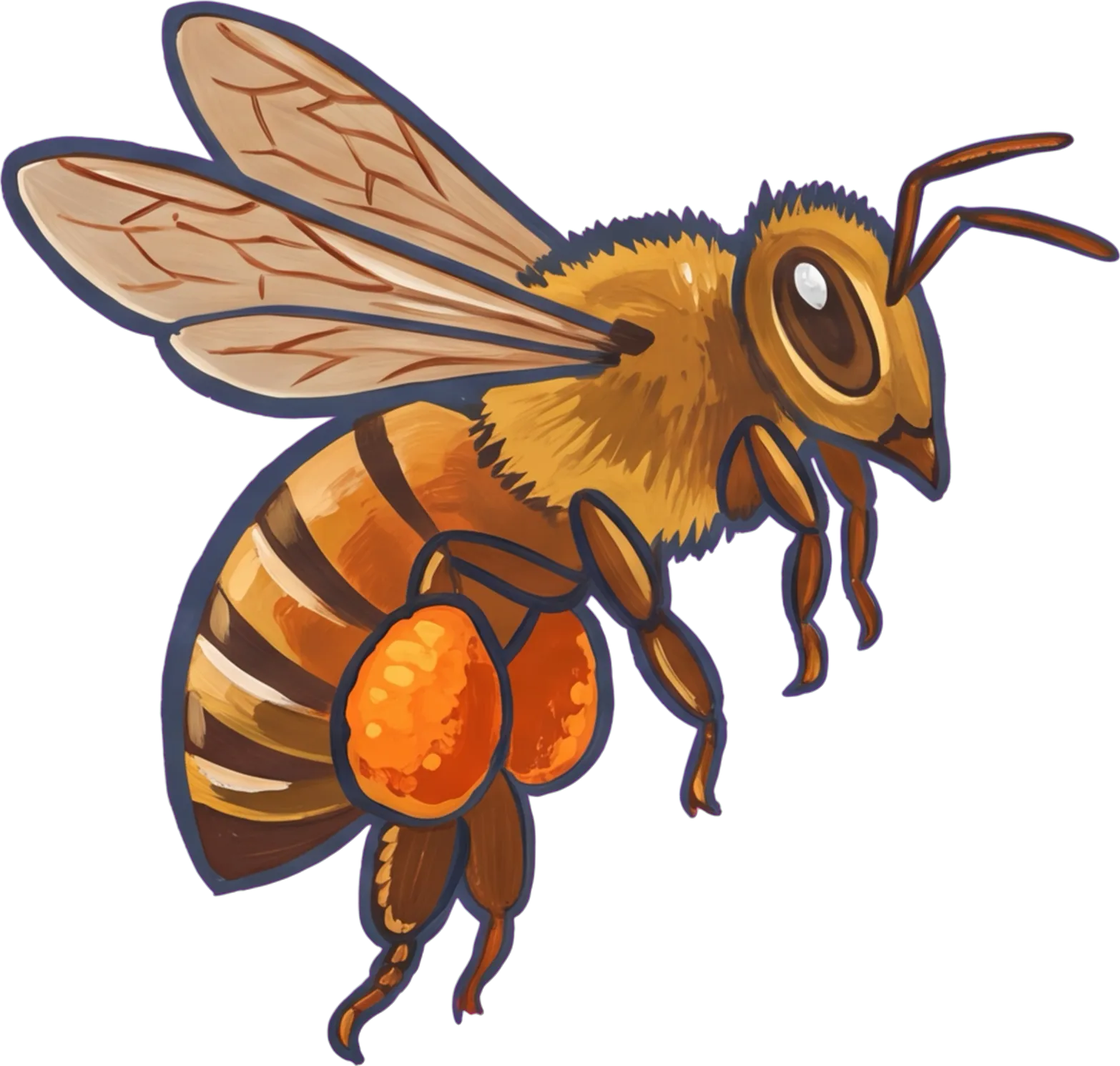
A forager flies home with pollen packed on her hind legs.
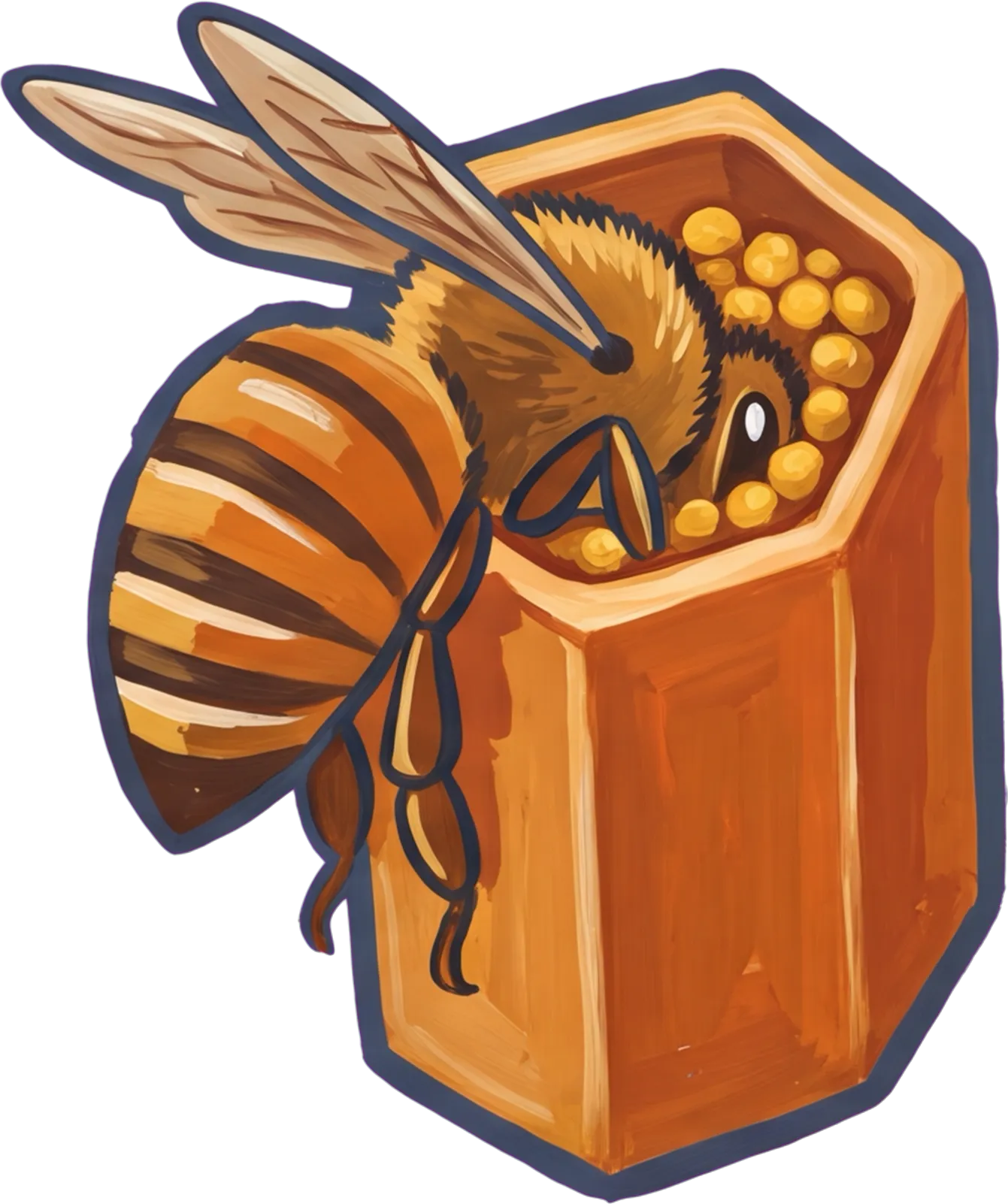
She packs it into a wax cell with honey and her own secretions.
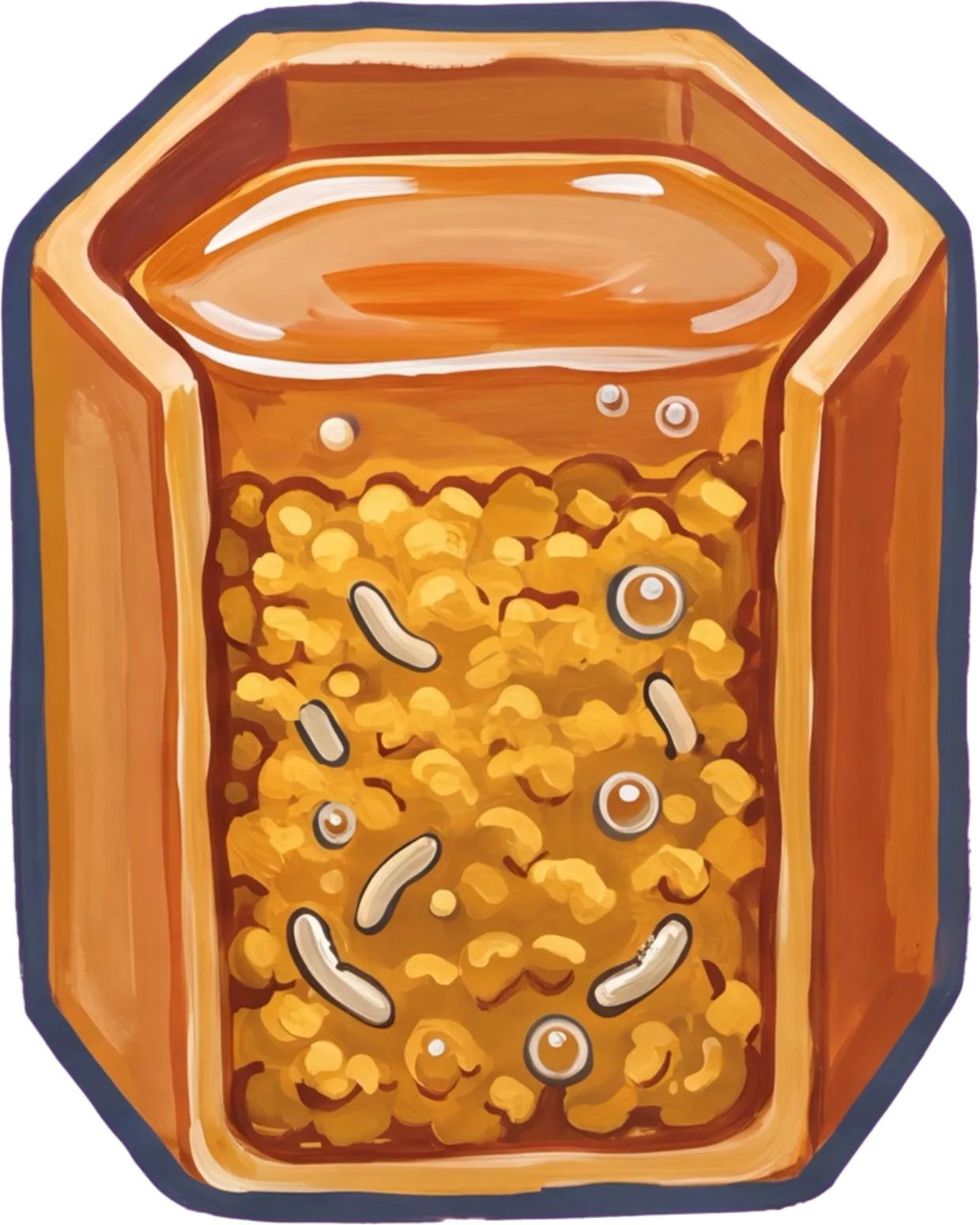
Lactic acid bacteria are present. The bee bread turns acidic, and that keeps it.
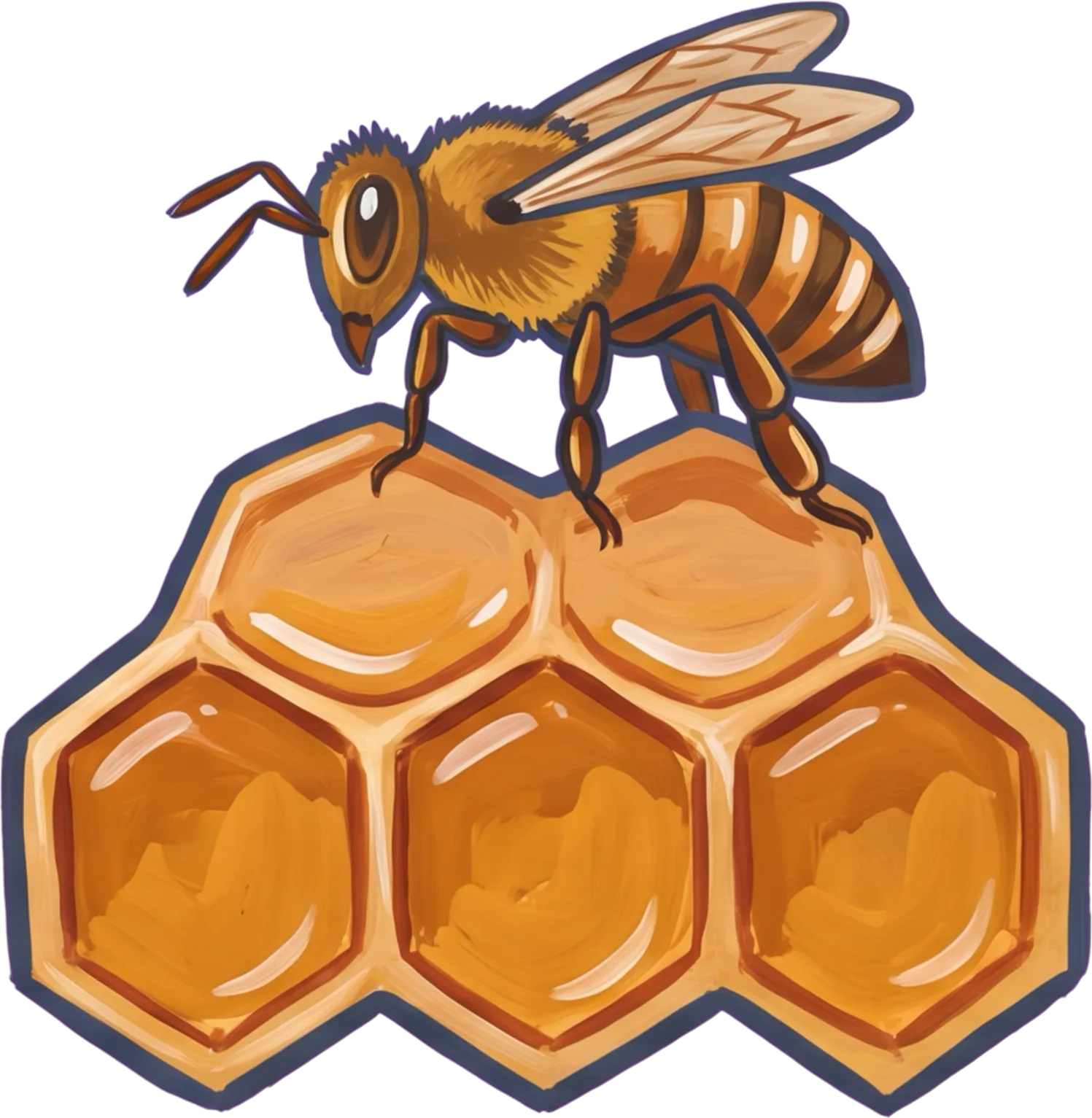
The bees seal the cells. This is the hive's own food store.
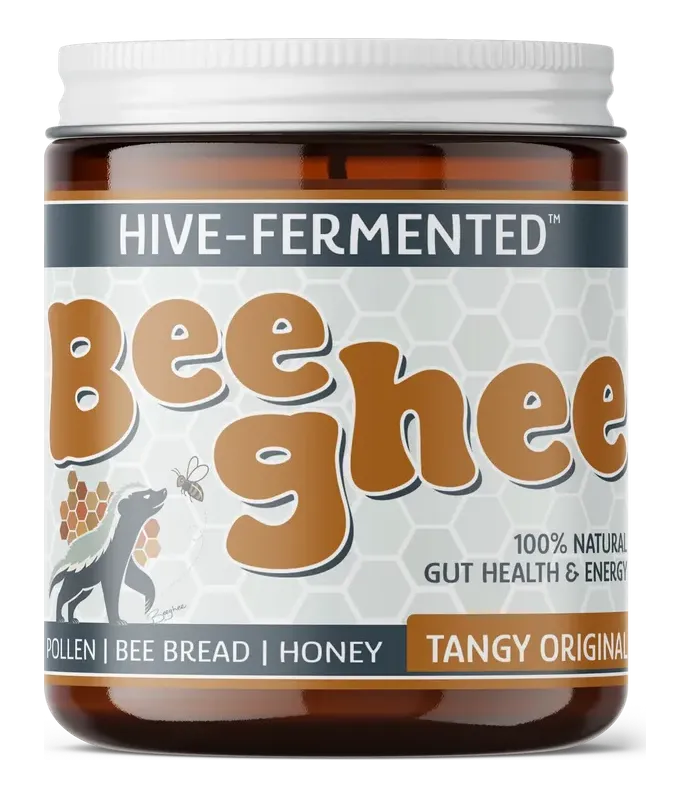
We jar it raw in Veracruz, Mexico. Never heated, never dried.
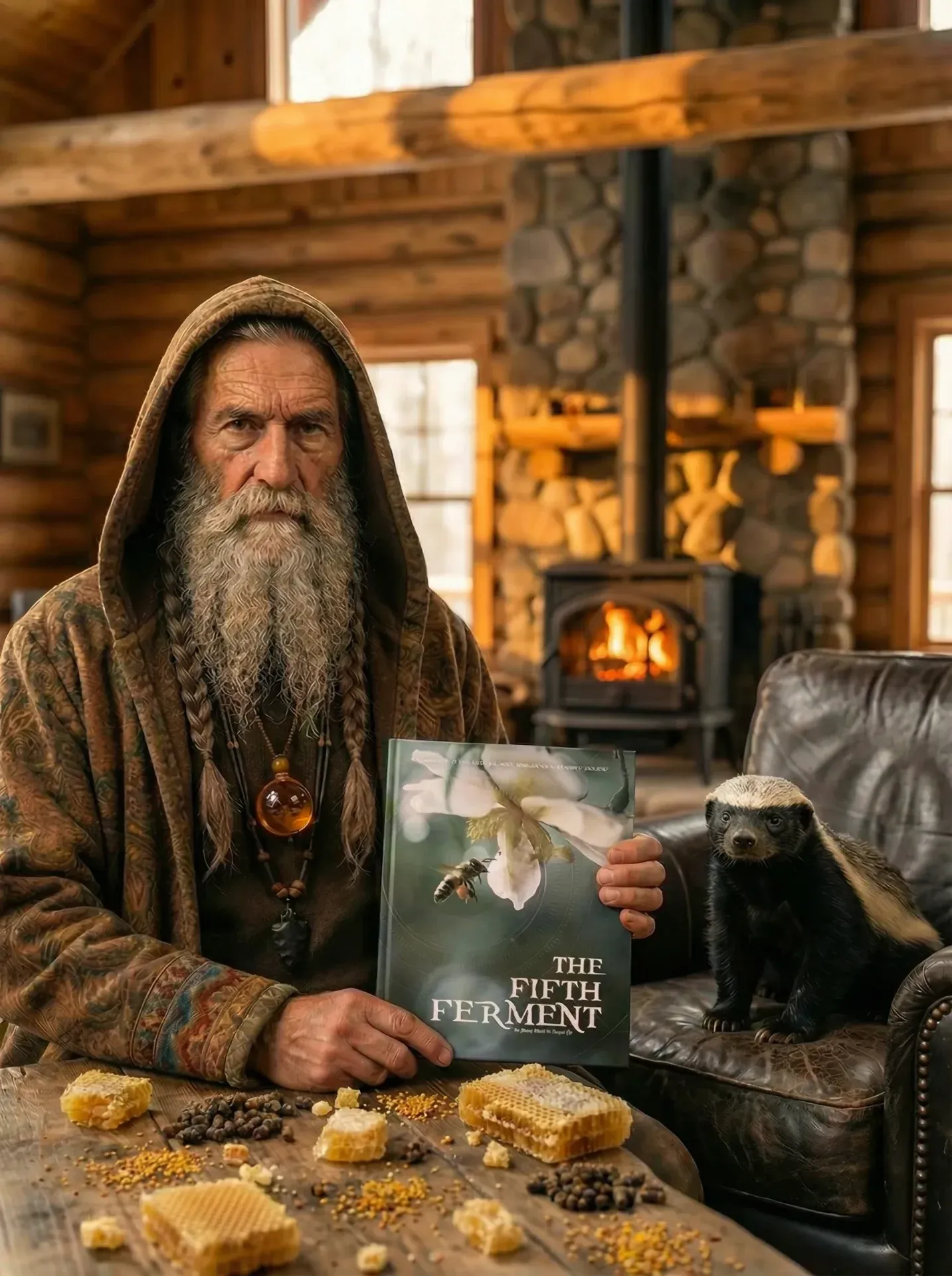
The complete manifesto
The Fifth Ferment began as a question: What if bees created a ferment that humans never guided? The answer became nine chapters exploring hive fermentation — its science, its sacred history, and its invitation to a different relationship with food.
For those ready to receive the full story, the manifesto is available to read online or listen to as an audiobook narrated by Dimitry.